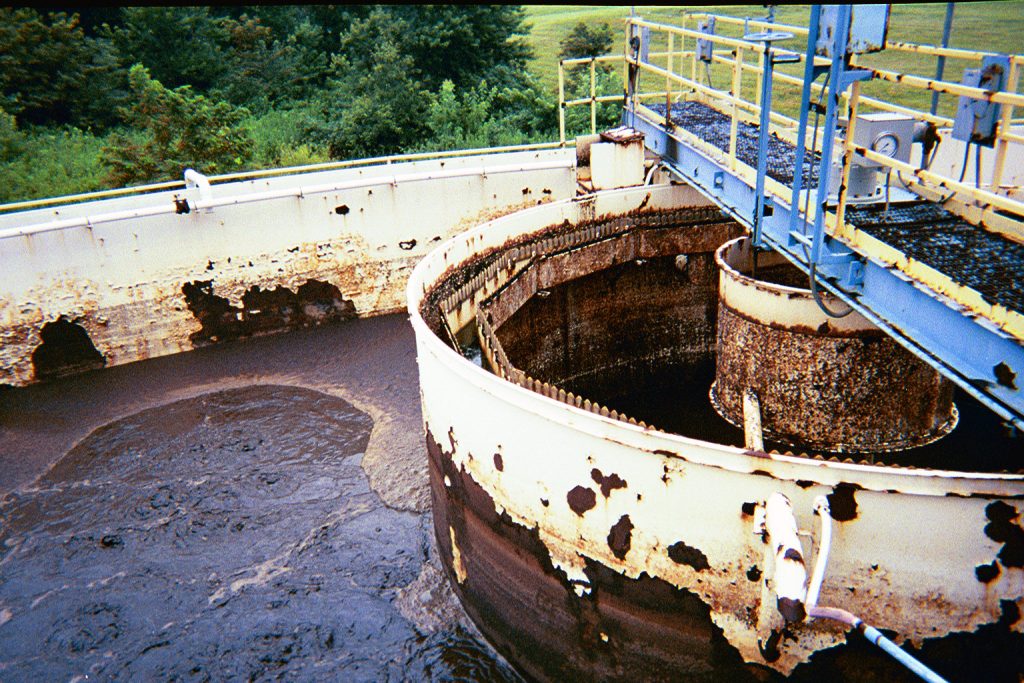
Wastewater collection infrastructure consists primarily of pipelines, manholes, pump stations and/or lift stations. Most of this infrastructure is out sight, which means it is also prone to be out of mind. However, out of sight and out of mind can often lead to out of order.
When aging structures that are subjected to normal wear, physical abuse and corrosion are not maintained they cease to function properly and efficiently. Monitoring and inspecting this important infrastructure will allow the asset owners to properly maintain it, ensuring that the service life of these structures is met or exceeded without costly service interruptions. Besides service interruptions, failure to maintain wastewater collection infrastructure can also lead to costly pre-mature replacements or development of excessive I & I (Inflow and Infiltration) that can cause capacity issues at the treatment facilities. Capacity issues may turn into overflows or spills that will typically result in environmental violations with ensuing fines and limitations on future construction within the offending municipality. Deteriorating infrastructure also presents safety problems, as accidents and injuries can occur more often in compromised structures.
How do you monitor and assess the condition of aging structures?
Routine inspection is the first step. Many forward thinking, proactive municipalities set up programs for continual line inspection with trained teams and equipment that monitor all facets of the collection system. Not all municipalities have the personnel, equipment or budget to maintain such inspection teams, but outsourcing this task is easily achieved. There are numerous companies, both local and national, equipped with modern up-to-date, high-tech equipment and experienced trained personnel that specialize in such work. Many of these companies also offer repair services and can correct problems they find during inspections. There are also engineering firms that specialize in this type of inspection and assessment work. These firms will make recommendations and write specifications to correct problems they find or do the same for problems the asset owner has discovered. Many manufacturers, like Sauereisen, will offer, at no charge, assistance with inspections, recommendations, specifications and contractor referrals to solve or prevent problems found in the various areas of wastewater collection systems.
What are you looking for when inspecting and monitoring collection system infrastructure? The key points of interest are:
- What is the Design Life Expectancy of the structure or structures and has it been compromised and in danger of not fulfilling its design life?
- Is Structural Integrity being compromised?
- Inflow and Infiltration (I & I ) – Does it affect capacity, conveyance and treatment costs?
- Corrosion – Is it weakening structures, which is not only a structural concern, but may also be contributing to costly increased I & I?
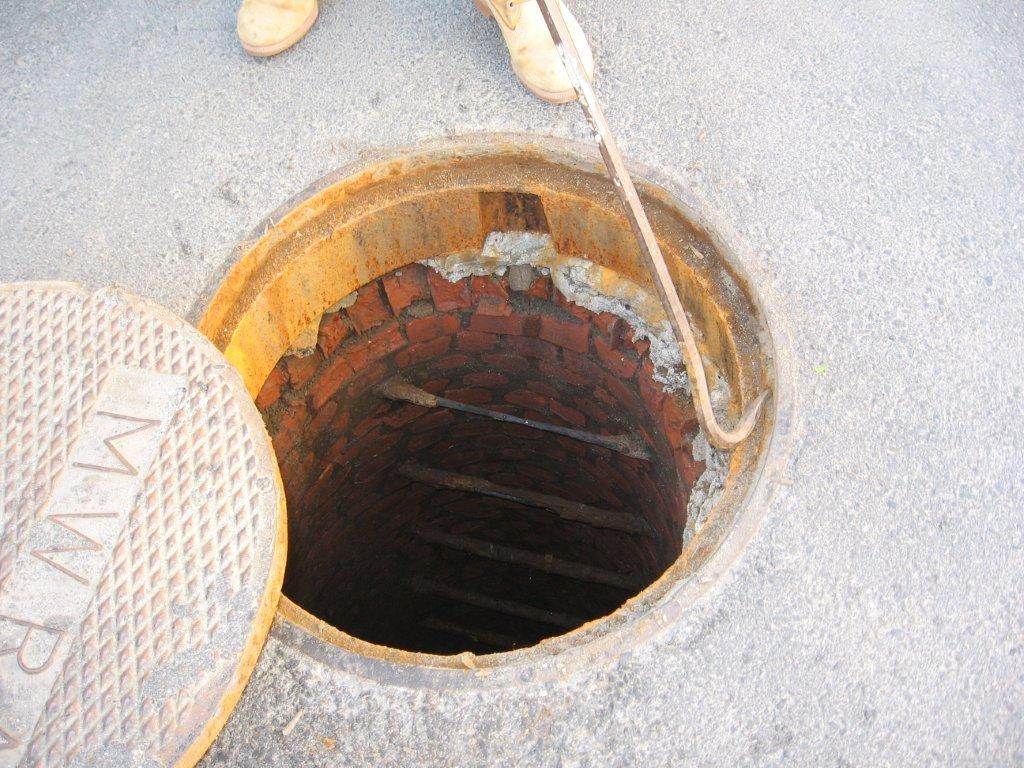
Typical example of a manhole deteriorated by corrosion that is now structurally unsound and will require significant rehabilitation or more costly replacement.

A corroded joint in a pipeline that is causing substantial water inflow into the collection system that must be treated as wastewater, increasing conveyance and treatment costs for this asset owner.

There are numerous ways to inspect infrastructure to determine conditions and find problem areas. The most common forms of inspection are:
- Visual inspections of accessible areas such as manholes, large diameter pipe, pump stations and lift stations
- TV inspections of hard-to-reach areas such as small diameter pipelines
- Flow monitoring and leak detection in manholes, pipelines, pump stations and lift stations to determine the extent of Inflow and Infiltration into the system
- Checking corroded substrate surface losses to determine extent of corrosion and its effect on structure integrity and service life
- Core tests on concrete substrates for strength and for petrographic analysis
How do you address the inspection/monitoring results?
- Once problems are discovered, assess the problem(s) and determine if the situation is critical (emergency) or can be dealt with as a standard repair or rehabilitation project, or does it require complete replacement.
- Determine how much time will be required to correct the problem and how it will affect service.
- Determine the cause of the problem:
- Is it simply an aging issue and the structure has exceeded its designed service life expectancy?
- Is it a capacity issue with excessive Inflow and Infiltration overwhelming the original design capacity limitations and treatment operations?
- Was it poor workmanship during the original construction?
- Is it physical abuse and/or corrosion that is deteriorating the structure to the point that the structural integrity is being compromised and it is not operating as designed or in danger of failing completely?
- Develop a plan to address the problem that not only remedies the immediate situation but puts measures in place to prevent the problem from occurring again.
- Once the problem is corrected, schedule timely follow up inspections to confirm that the problem remains corrected and that the plan developed to address the problem worked as intended.
- Become more proactive to prevent this problem or similar problems from developing in the collection system. Some examples of a proactive approach in addition to routine inspections and monitoring are:
- Stopping or preventing active water infiltration before it becomes a serious problem by sealing joints and cracks, sealing around penetrations and eliminating root intrusions in manholes and pipelines
- Installing Inflow and Infiltration resistant linings in manholes and pipelines
- Stopping corrosive attacks in structures by installing corrosion resistant coatings and linings
To recap:
Monitoring and subsequently maintaining each area of a wastewater collection system is critical to the sustainability of the entire system. Structures that become compromised, no matter what the cause, will reduce or destroy the efficiency of the system and add additional costs, whether they be from unplanned outages, pre-mature replacement, additional conveyance and treatment costs or fines levied against the asset owner for overflows and spills. In addition to environmental issues produced by a compromised collection system, there can be safety issues as well. The good news is, wastewater collection systems can be monitored and properly maintained by proactively addressing potential problems with regular inspections and monitoring and addressing any issues with a comprehensive plan to correct problems through rehabilitation and protection or replacement, thus ensuring that all structures meet or exceed design life expectancy and system sustainability is never compromised.