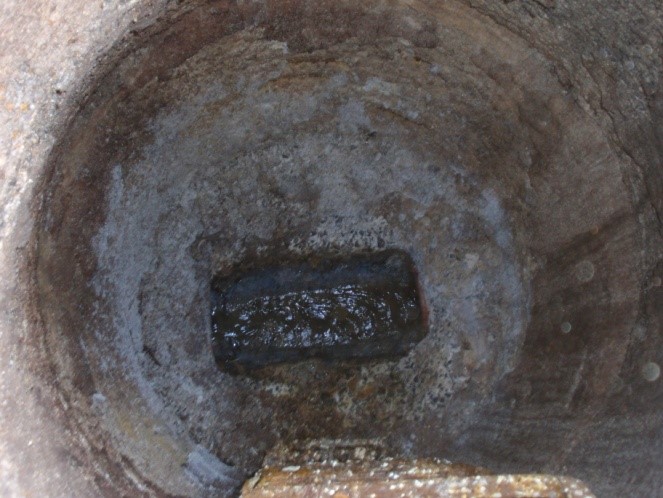
Municipal infrastructure forms the backbone of urban areas. Sewer systems ensure the efficient transport and treatment of wastewater. However, the longevity and functionality of these systems are often threatened by corrosion, structural degradation, and environmental factors. Manholes, in particular, play a crucial role in infrastructure yet are often overlooked.
One large Northeastern utility company recognized the critical importance of proactive maintenance and embarked on a comprehensive rehabilitation project for its municipal manholes in New Jersey. This case study explores the challenges posed by corrosion in sewer infrastructure, the significance of manhole rehabilitation, and the successful application of advanced materials and techniques.
Understanding Corrosion in Sewer Infrastructure
Corrosion, a natural process driven by chemical reactions between materials and their environment, poses a significant threat to sewer infrastructure integrity. In wastewater environments, the primary driver of structural deterioration and water infiltration is microbiologically induced corrosion (MIC). This occurs when hydrogen sulfide gas, which is always present in a municipal wastewater stream, is ingested as a food source by the thiobacillus bacteria found in wastewater. The bacteria metabolize the hydrogen sulfide gas and secretes highly corrosive sulfuric acid that readily attacks Portland cement-based concrete and mortars, as well as many of the metals found in wastewater structures such as manholes. The corrosive nature of municipal wastewater, coupled with the presence of abrasive solids, leads to the degradation of the surfaces within manholes, necessitating timely intervention and rehabilitation.
Manhole Rehabilitation: Importance and Challenges
Manholes serve as critical access points for maintenance and inspection within sewer networks, facilitating the flow of wastewater and providing ventilation. However, prolonged exposure to corrosive gases and moisture renders manholes susceptible to structural failure, infiltration, and exfiltration leading to more widespread problems. Corrosion-induced defects, including cracks, spalling and delamination, compromise the integrity of manhole structures, undermining the hydraulic efficiency of sewer systems — thus increasing operational costs. Furthermore, these problems stemming from corrosion pose risks to public health, environmental quality and infrastructure resilience.
Rehabilitating manholes presents multifaceted challenges, ranging from identifying corrosion hotspots to selecting suitable materials and techniques for repair and protection. Traditional rehabilitation methods often involve labor-intensive processes resulting in prolonged downtime, traffic disruptions, and escalating costs. Addressing these problems necessitates the adoption of innovative approaches, advanced materials, and collaborative partnerships to optimize efficiency, durability, and sustainability in manhole rehabilitation projects.
Project Overview
The county utility authority manhole rehabilitation project represents a proactive response to the corrosive challenges confronting sewer infrastructure. Prior to rehabilitation, the municipal manholes showed signs of surface deterioration, corrosion on cementitious materials, and infiltration in multiple locations. Led by the utility authority and supported by contractors and suppliers, the project aimed to enhance the resilience and longevity of the municipal manholes through targeted rehabilitation measures.
The rehabilitation process commenced with the meticulous removal of existing coal tar epoxy coatings through abrasive blasting. This method ensured a clean and receptive substrate for subsequent repair and protection measures. A critical aspect of the rehabilitation effort involved addressing numerous active leaks within the manholes, which were sealed by hand using Instaplug Hydraulic Cement F-180. This versatile material effectively halted water infiltration, mitigating the risk of further structural deterioration and corrosion propagation.
To restore degraded surfaces and provide long-term corrosion protection, the application of advanced materials such as high-strength, rapid-set substrate resurfacer and a MIC-resistant, epoxy lining was employed. The substrate resurfacer, applied using the wet shotcrete method, facilitated uniform coverage and surface restoration. A trowel and broom finish were then applied to reach the correct surface profile for optimal adhesion and bond strength between the substrate and coating system. This approach enhanced the structural integrity and hydraulic performance of the manholes, mitigating the risk of infiltration and exfiltration.
Following the restoration of the substrate, SewerGard 210XHB, ahigh-performance coating system, was applied in a single coat to achieve a dry film thickness of 60 mils, providing robust corrosion resistance and chemical protection against harsh wastewater environments. The spray application method ensured consistent coverage and adhesion to substrate surfaces, enhancing the durability and service life of the rehabilitated manholes.
Furthermore, the application of Chimney Seal, a hand-applied elastomer, effectively sealed the chimney areas of the manholes, preventing water ingress. This additional protective measure further bolstered the watertightness and structural integrity of the rehabilitated manholes, ensuring reliable performance and longevity in service.
Outcome and Impact
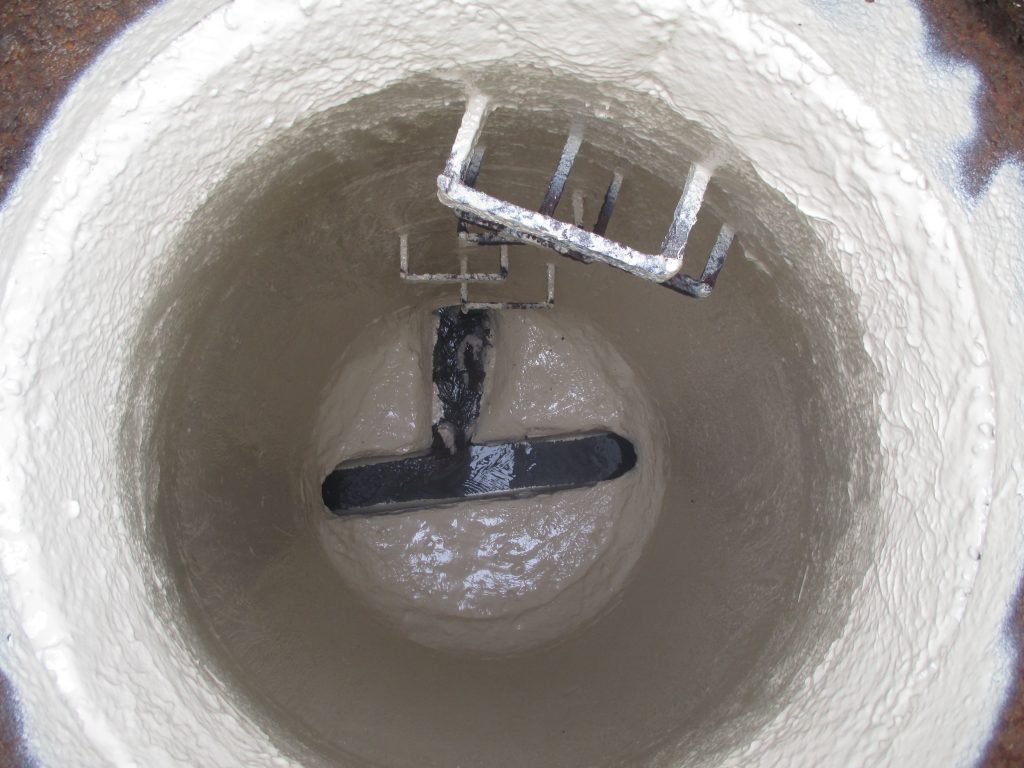
The successful completion of the municipal manhole rehabilitation project signifies a significant milestone in the ongoing effort to enhance the resilience and sustainability of sewer infrastructure in New Jersey. By addressing corrosion-induced defects, sealing active leaks, and applying advanced materials, the project has fortified the structural integrity, hydraulic performance, and service life of these manholes. Furthermore, the risk of ground and surface water contamination was mitigated by ensuring future regulatory compliance.
The rehabilitation of manholes represents a critical component of corrosion management strategies, safeguarding public health, environmental quality, and community resilience. Understanding the underlying mechanisms and manifestations of corrosion in manholes, empowers municipalities to implement targeted interventions, materials selection criteria, and corrosion-resistant design practices to mitigate risks, optimize performance, and extend the service life of critical infrastructure assets.
This rehabilitation project exemplifies the efficacy of collaborative partnerships, innovative approaches, and advanced materials in addressing the challenges posed by corrosion in sewer infrastructure. Moving forward, the lessons learned from this project underscore the importance of proactive maintenance, strategic investment, and sustainable practices in ensuring the longevity and functionality of municipal infrastructure in the face of evolving environmental and operational pressures.