
Industrial wastewater can pose significant challenges to corrosion protection due to its unique composition and environmental conditions, which differ significantly from municipal wastewater. Corrosion is a major issue in many industries that handle wastewater, such as manufacturing, food processing, pharmaceuticals, pulp & paper and petrochemicals. The complexities arise because industrial wastewater often contains a combination of chemicals, heavy metals, organic materials, and varying pH levels, all of which can contribute to the degradation of facilities and infrastructure over time. Let’s dive into some of the main complexities involved:
The Issues
1. Chemical Composition
- Acidic or Alkaline Nature: Wastewater can be either acidic or alkaline, depending on the industrial process it comes from. Acidic wastewater, like that from metal processing or mining operations, can accelerate the corrosion of materials like steel and concrete. Conversely, highly alkaline wastewater, such as from the paper or chemical industries, can also lead to specific types of corrosion. Wastewater from food and beverage industries often contains harsh chemicals, both acidic and alkaline, from the cleaning and decontamination solutions used in these industries.
- Chemical Contaminants: Industrial wastewater often contains various chemicals like chlorides, sulfides, and other aggressive agents. Chlorides, in particular, are known to be highly corrosive to metals, especially stainless steel, leading to pitting corrosion, and many chemicals found in various industries are detrimental to concrete, as well as steel.
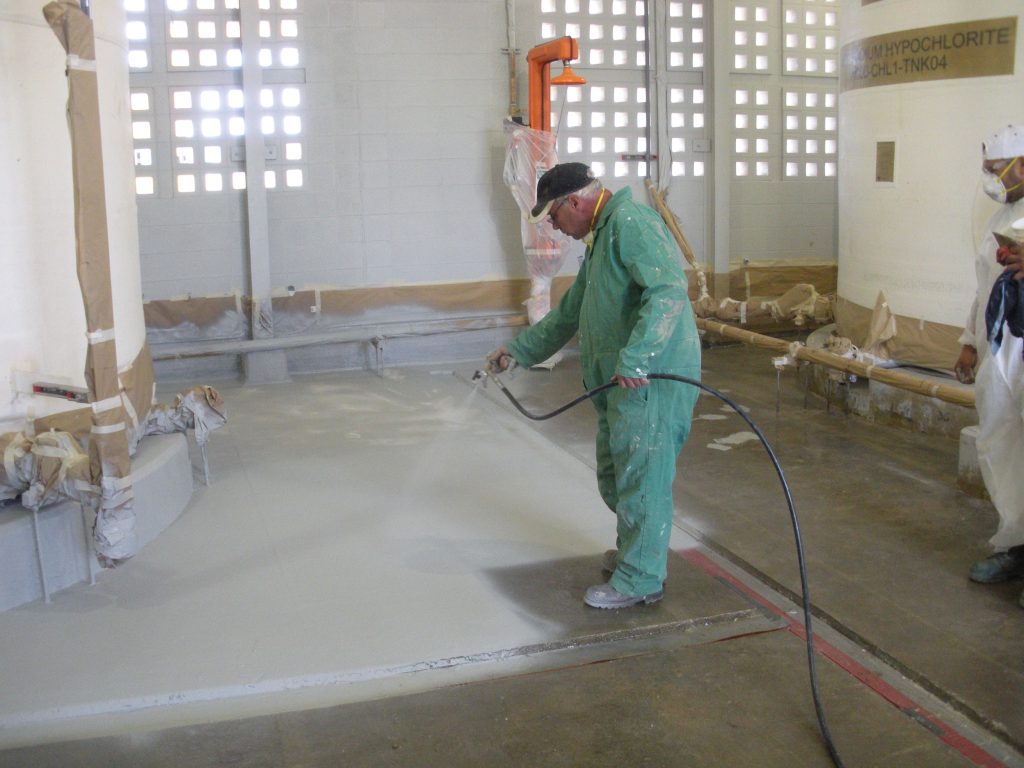
2. Microbial Influences
- Microbiologically Influenced Corrosion (MIC): Wastewater often carries bacteria, fungi, and other microorganisms. These microorganisms can form biofilms on surfaces, which trap moisture and create localized areas of high corrosion potential. In particular, sulfate-reducing bacteria (SRB) are a common cause of MIC in industrial wastewater systems, oftentimes leading to corrosion in both concrete and steel substrates.
3. Temperature and Humidity
- Thermal Effects: High temperatures in industrial wastewater, often due to the nature of the manufacturing and/or cleaning processes, can increase the rate of corrosion. Higher temperatures accelerate chemical reactions and may cause more aggressive attacks on concrete and metals, especially when combined with the presence of corrosive substances.
- Humidity: In environments where wastewater systems are exposed to humid conditions, corrosion risk increases. Humidity can cause condensation, further promoting the corrosion of exposed surfaces.
4. Flow Dynamics and Erosion
- High-velocity Flow: Wastewater systems that involve rapid flow can induce erosion-corrosion. This happens when the fluid flow containing particulate matter physically wears away protective coatings and material surfaces, which then accelerates the corrosion process. In systems like pipelines or reactors where wastewater moves at high velocity, the combination of mechanical erosion and chemical corrosion can be especially damaging.

5. Material Selection and Coatings
- Material Vulnerabilities: The material used in wastewater treatment equipment can significantly influence its susceptibility to corrosion. Common materials such as Portland cement concrete and carbon steel or aluminum are prone to corrosion in industrial wastewater environments unless adequately protected. Polymer concretes, stainless steels or specialized alloys may be necessary for certain applications, but these come at a higher cost.
- Coatings and Linings: Protective coatings, such as epoxy, vinyl ester or polyurethane, are often used to prevent corrosion. However, the effectiveness of coatings can be compromised if they are improperly applied, damaged, or exposed to extreme conditions. Recoating and repairing are ongoing needs, and protective coatings should be inspected regularly to avoid the extensive down time needed for replacement, which is both costly and disruptive to operations.
6. pH Levels
- pH Variations: The pH of industrial wastewater can fluctuate significantly depending on the process, which can directly affect corrosion rates. For instance, depending on the chemicals involved, low pH (acidic conditions) may cause general corrosion on both concrete and steel substrates. Conversely, high pH (alkaline conditions) can also lead to various corrosion problems on most substrates.
7. Impact of Sediments and Solids
- Particulate Matter: Suspended solids or particulate matter in industrial wastewater can contribute to the abrasion of substrate surfaces. These solid particles can also mix with biofilms, creating conditions conducive to MIC.
- Settling Sludge: Settling sludge in industrial wastewater systems can create a stagnant environment that holds moisture and contaminants against surfaces for extended periods, increasing corrosion risk.
8. Design and Maintenance Challenges
- Inadequate System Design: Many industrial wastewater treatment systems are designed without sufficient consideration for corrosion resistance. Poor maintenance practices, such as inadequate cleaning, poor or non-existent inspection routines, or failure to replace corroded components, can exacerbate the problem.
- Monitoring and Detection: Corrosion damage may not always be easily visible, especially if it occurs inside pipes or tanks. Lack of proper monitoring systems or corrosion detection technologies can lead to the unnoticed deterioration of critical infrastructure, resulting in unscheduled outages and downtime. Regular inspections and the use of sensors to monitor corrosion are vital.
Approaches to Corrosion Protection
- Material Selection: Choosing the right material for the environment is essential. Stainless steels, corrosion-resistant alloys, and non-metallic materials like polymer concretes, fiberglass or reinforced plastics may be used depending on the specific needs of the wastewater treatment system.
- Protective Coatings and Linings: As mentioned above, applying durable coatings like epoxy, vinyl ester or polyurethane can provide an additional protective barrier against corrosion. These coatings need to be regularly inspected and maintained.
- Cathodic Protection: This technique can be used to prevent corrosion in metallic structures like pipelines and tanks by applying a sacrificial anode (usually zinc or magnesium) or using impressed current systems. Cathodic corrosion protection is also available for concrete structures.
- Water Treatment and pH Control: Managing the pH of wastewater to prevent acidic or alkaline extremes can help reduce corrosion rates. Additionally, treating wastewater to remove aggressive chemicals can improve long-term system integrity.
In summary, the protection against corrosion in industrial wastewater systems is a complex task that requires a multi-faceted approach, combining careful material selection, system design, corrosion monitoring, and regular maintenance. The unique composition of industrial wastewater, combined with environmental factors, makes it a challenging issue that needs ongoing attention and a well-planned strategy.
CASE HISTORY: Pulp & Paper Wastewater Clarifier
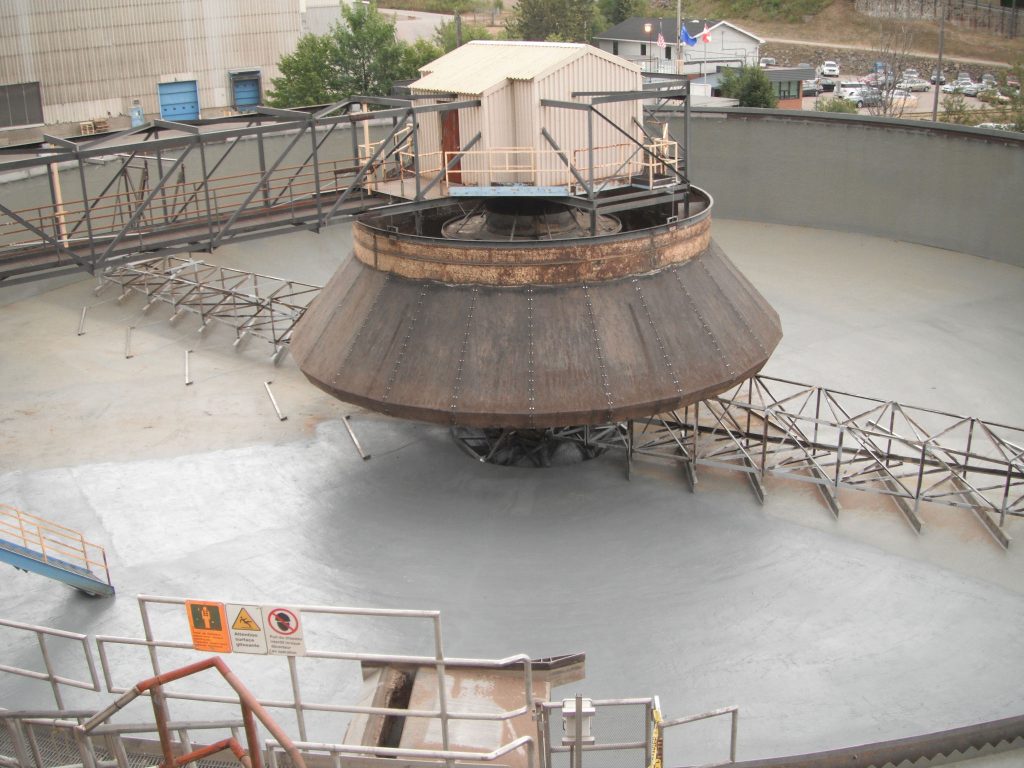
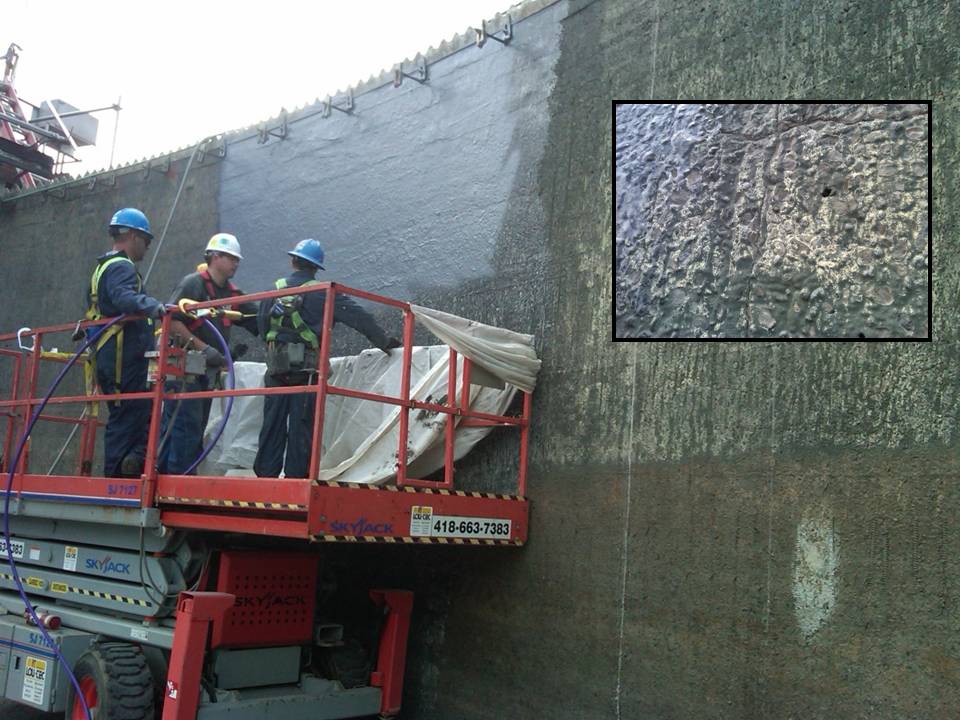
A 50,000 square foot concrete clarifier was damaged from chemical attack and abrasion from their pulping process. The solution required coordination of the facility, the contractor, and the coatings manufacturer so that project completion did not disrupt operations, resulting in minimum downtime during construction. The materials selected were: a vertical trowel-applied epoxy repair product; a pour & spread horizontal repair material and 40 mils of SewerGard Industrial Epoxy NovolaK fiber-reinforced, spray-applied lining.
Due to the expanse of the floor area, degree of established slopes, and amount of damage deeper than ½ to1 inch in some areas, a pour & spread epoxy repair material was selected to rehabilitate and resurface the floors. The epoxy pour & spread material was squeegeed to the prepared surfaces and then an additional broadcast of aggregate was applied into the pour & spread repair material
Contact Us
Our team can assist in evaluating your application and helping you find the right solution tailored to your conditions. Sauereisen offers expert advice on product solutions for corrosive environments and provides application guidance tailored to your needs. We’ll help you find the right solution – Contact us at www.sauereisen.com or call Sauereisen at +1 (412) 963.0303 – Let’s talk before you pour, trowel or spray.